Nature
Biodiversity is essential to supporting all life on Earth but declining at a faster rate than ever before in human history. Simply reducing the fashion industry’s negative impact is no longer an option. It needs to be flipped to make positive change and actively restore nature.
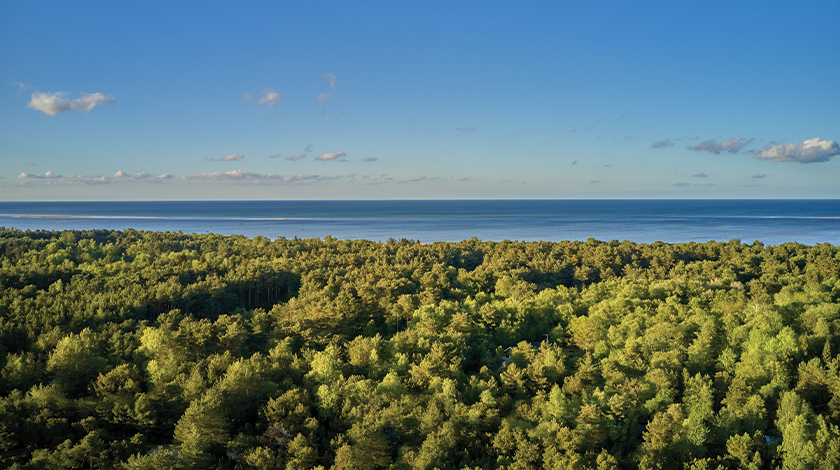

Collective Ambition
Avoid and reduce the drivers of nature loss, create solutions that restore and regenerate nature, and enable transformative business models, actions and commitments.
AVOID & REDUCE HARMFUL IMPACTS ON NATURE
Avoid and reduce land use impact, deforestation or conversion, water pollution and usage.
RESTORE & REGENERATE NATURE
Restore priority degraded ecosystems and support transition to regenerative production systems for raw materials.
DESIGN & DRIVE TRANSFORMATIVE INITIATIVES
Support multi-stakeholder, landscape-level initiatives, design & deploy innovative financing, build knowledge & engagement across supply chains on Nature Tech approaches, and support GBF & policy coherence for biodiversity outcomes.
Our Role in Enabling Progress
Achieving our Collective Ambitions depends on collaboration across the value chain. Our Joint Actions are targeted efforts that complement other industry initiatives and accelerate progress where fashion faces persistent barriers or has yet to act, and where we can deliver the greatest impact.
TRANSFORMING THE FASHION SECTOR WITH NATURE
Pioneering a Pathway Forward
In 2021 we received a $2m grant ($4m with co-financing) from the Global Environment Facility (GEF) to drive the Transforming the Fashion Sector with Nature project in partnership with Conservation International, a GEF agency. The grant was given to help support us in achieving two high level outcomes:
- Provide guidance and capacity building to fashion companies so they can understand their impacts on nature, work towards creating individual strategies to mitigate these impacts and catalyse investment in key landscapes.
- Support existing on-the-ground platforms in key commodities by encouraging company participation and investment to improve sourcing pathways of these materials.
Under this project, we developed science-based tools and projects that empower fashion businesses to rethink their relationship with nature.

Empowering companies to act
A series of tools below were developed to help brands individually understand where they are, set up a baseline, and continue to measure progress.
These resources aim to set the scene, with a focus on:
- Designing guidance aligned with leading methodologies for mapping biodiversity and environment risk/impact across supply chains.
- Developing tools to help companies navigate the different assessments and mappings they undertake.
- Providing support and guidance on setting Science Based Targets for Nature and developing biodiversity strategies.
- Providing guidance on sustainable sourcing practices.
Catalysing collective power through existing on-the-ground actions: The Sustainable Supply Pathways
The Sustainable Supply Pathways in biodiversity were opportunities for members to deliver on-the-ground impact in two key commodities: leather in Brazil and Cashmere in Mongolia.
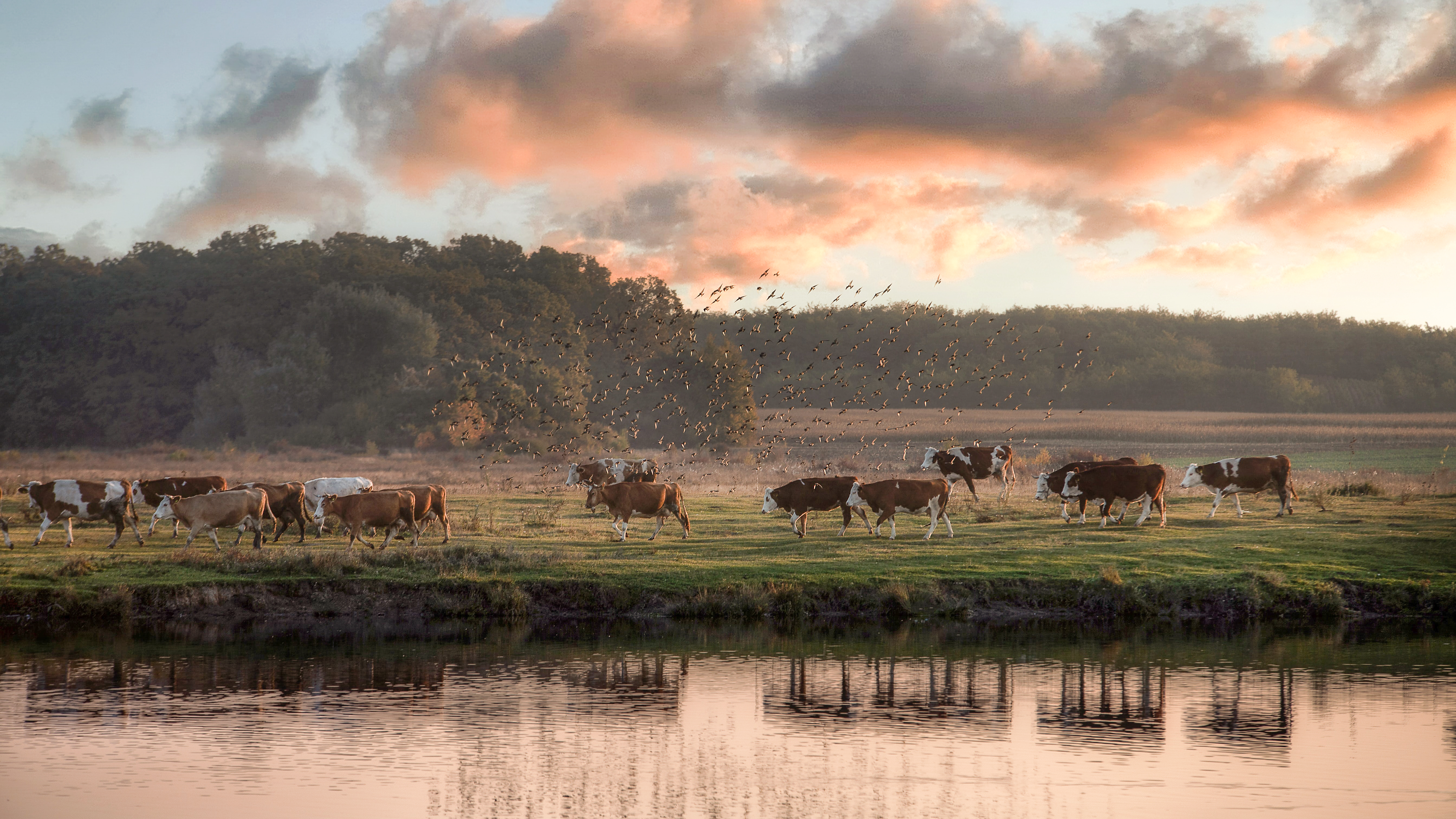

Leather Impact Accelerator
We engaged in and supported the Leather Impact Accelerator designed by Textile Exchange. The programme helped cattle farmers change their production methods to collectively build a supply of deforestation and conversion-free leather.
Find out more on the Textile Exchange site.


Cashmere Project
In partnership with Textile Exchange, Conservation International and with support from the Global Environment Facility, the Cashmere project aimed at supporting herders and positive social, animal welfare and environmental impacts through the production of sustainable cashmere. Through the project, we developed Impact Incentives model, workshops, one to one support, and the creation of a guidance document to help companies source more sustainable cashmere.
For more information, please see the Textile Exchange website.

Deforestation
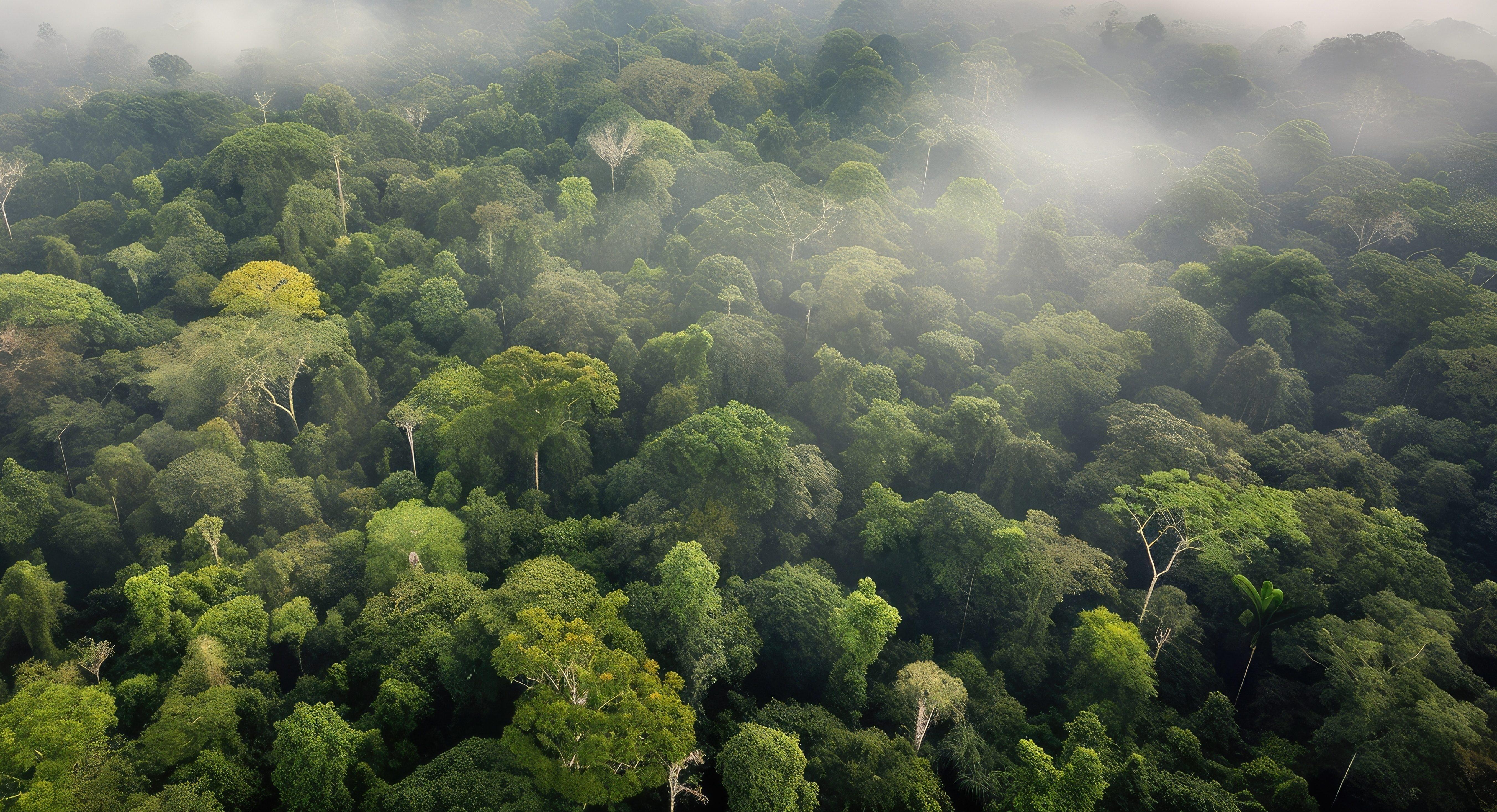
Deforestation is the leading cause of biodiversity loss across the world.
From expansion of cattle in the Amazon and Cerrado to the deforestation and subsequent plantations for cellulosic fibers, the majority of fashion materials are sourced in or near areas of deforestation. Recognising the fashion industry has an impact and unique opportunity to address this crisis, it is imperative that we examine the potential deforestation and conversion risk of these materials and the subsequent biodiversity loss and detrimental impacts on nature. Once risk is understood, there are coalitions and methods that can help companies prioritise where to focus and how to establish due diligence across material portfolios (ex. Fashion Nature Risk Lens, Accountability Framework Initiative, Science Based Targets for Nature, Science Based Targets Initiative Forests, Land, and Agriculture Guidance).
Together with Conservation International, we launched a workstream to enable joint action towards Deforestation and Conversion-Free fashion supply chains. This collaboration focuses on identifying fashion-relevant areas of key deforestation and natural ecosystem conversion, as well as opportunities for collective industry action. Our research has provided valuable insights into these links, highlighting material-specific opportunities for companies to take action. For more information and an overview of our conclusions, please refer to this article. We look forward to continuing to catalyse industry transformation on this critical issue for nature, biodiversity, climate, and community outcomes.

Key Data
20+
Fashion Pact companies developed biodiversity strategies that align with global goals and the Science-Based Targets for Nature framework
500,000+
metric tons of CO₂ mitigated through transformed supply chains and sourcing practices
-
300,000
hectares of land under improved agricultural practices
0.1 TONS
of mercury reduced and eliminated in artisanal mining operations providing gold to Fashion Pact companies
More information: Project Retrospective Report released for the conclusion of the “Transforming the Fashion Sector with Nature” Project, published in April 2024.
Press
Tools & Resources
Biodiversity Blueprint
Biodiversity Strategy Tool Navigator
Deep-Dive Analysis on Argentina Cattle Leather Production Impacts
Deep-Dive Analysis on Austria and Indonesia Man-Made Cellulosic Fiber Production Impacts
Deep-Dive Analysis on United States Cotton Production Impacts
Fashion Nature Risk Lens
Fashion Sector Future Scenario Analyses
Fashioning A Nature-Positive Future
ASM Gold, Mercury Reduction & ASM Support Program Introduction
Sustainable Mongolian Cashmere Guidance for Brands
Best Practices for Sustainable Sourcing for Biodiversity, Livelihoods, and Climate Guidance