
Our work
We combine CEO-leadership, shared knowledge, and collective resources with the best external expertise, to drive the greatest possible impact across the entire fashion industry.


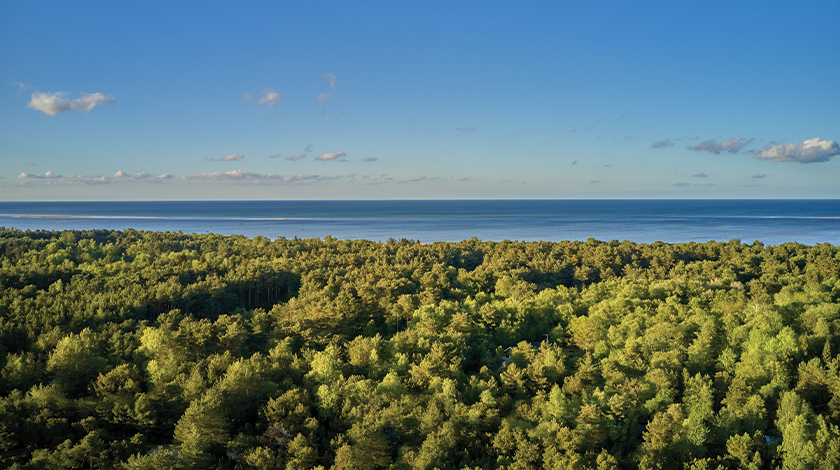
Nature

Circular Economy
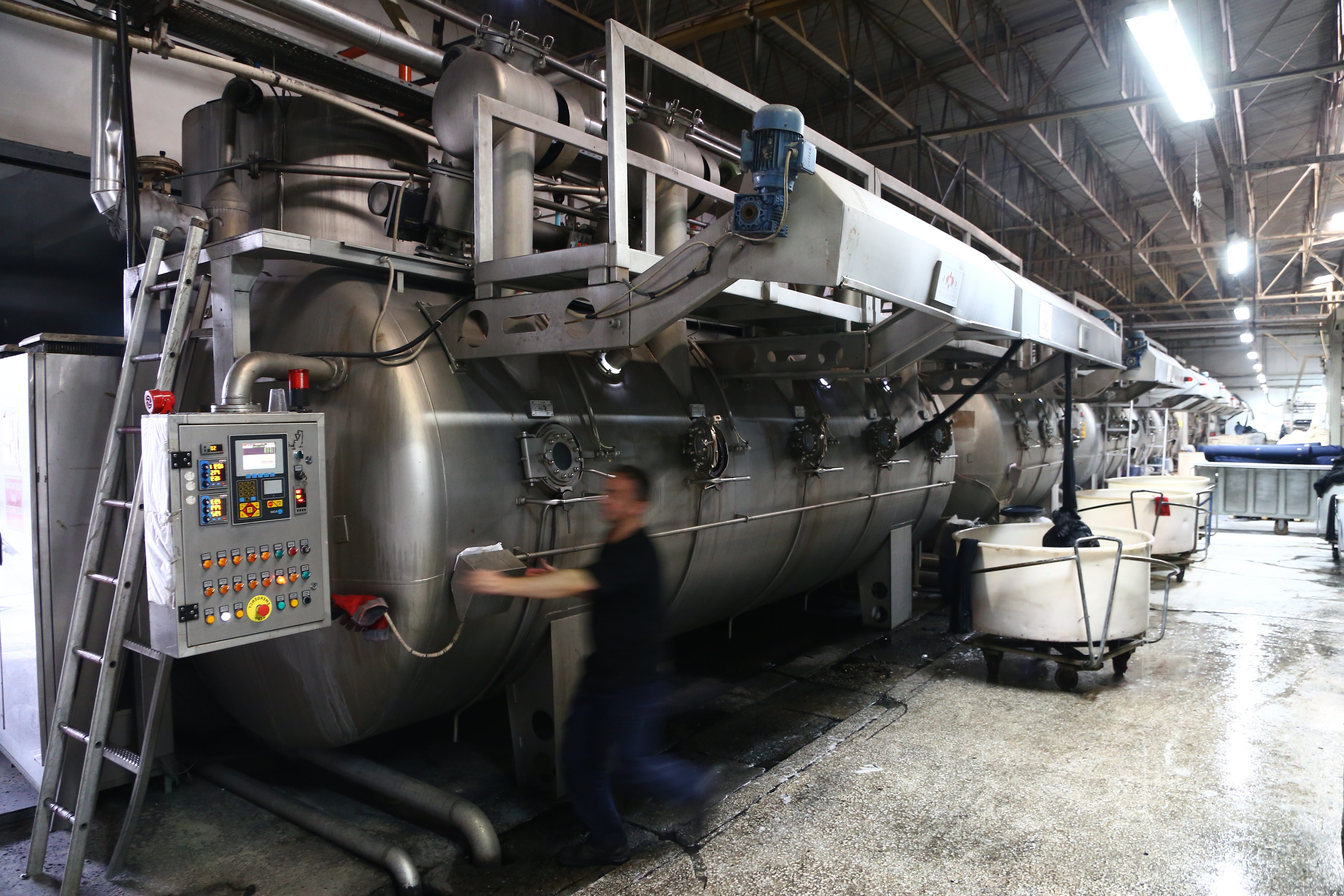
Lower Impact Production
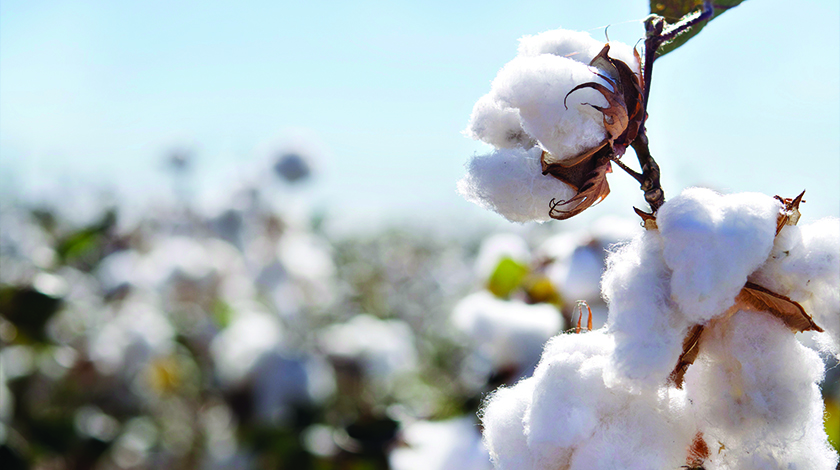
Lower Impact Materials
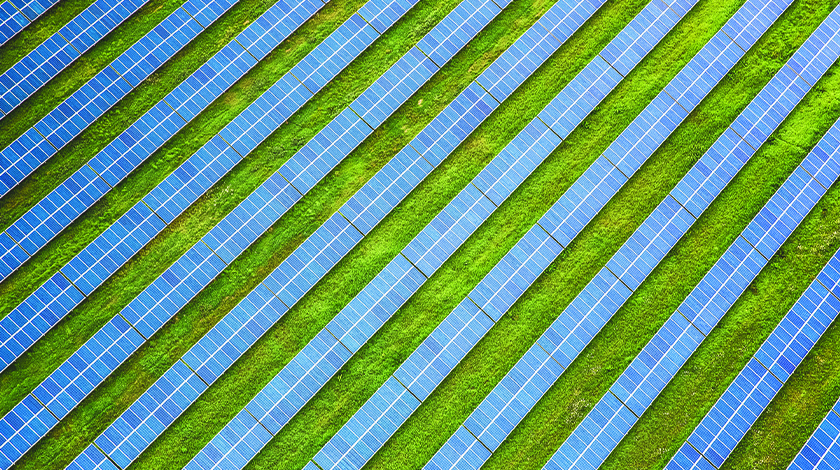
Renewable Energy
A fashion industry compass
Our areas of action are guided by a fashion industry compass designed in collaboration with MIT Fabric Innovation Hub. This compass is a tool to guide the industry on a unique path to reduce negative impacts.

Explore our Joint Actions, tools and resources by clicking on each area of action inside the compass.

Renewable energy
Collective Ambition
Increase the availability and uptake of renewable electricity in local grids and develop impactful corporate solutions to advance the energy transition and reduce absolute GHG emissions.
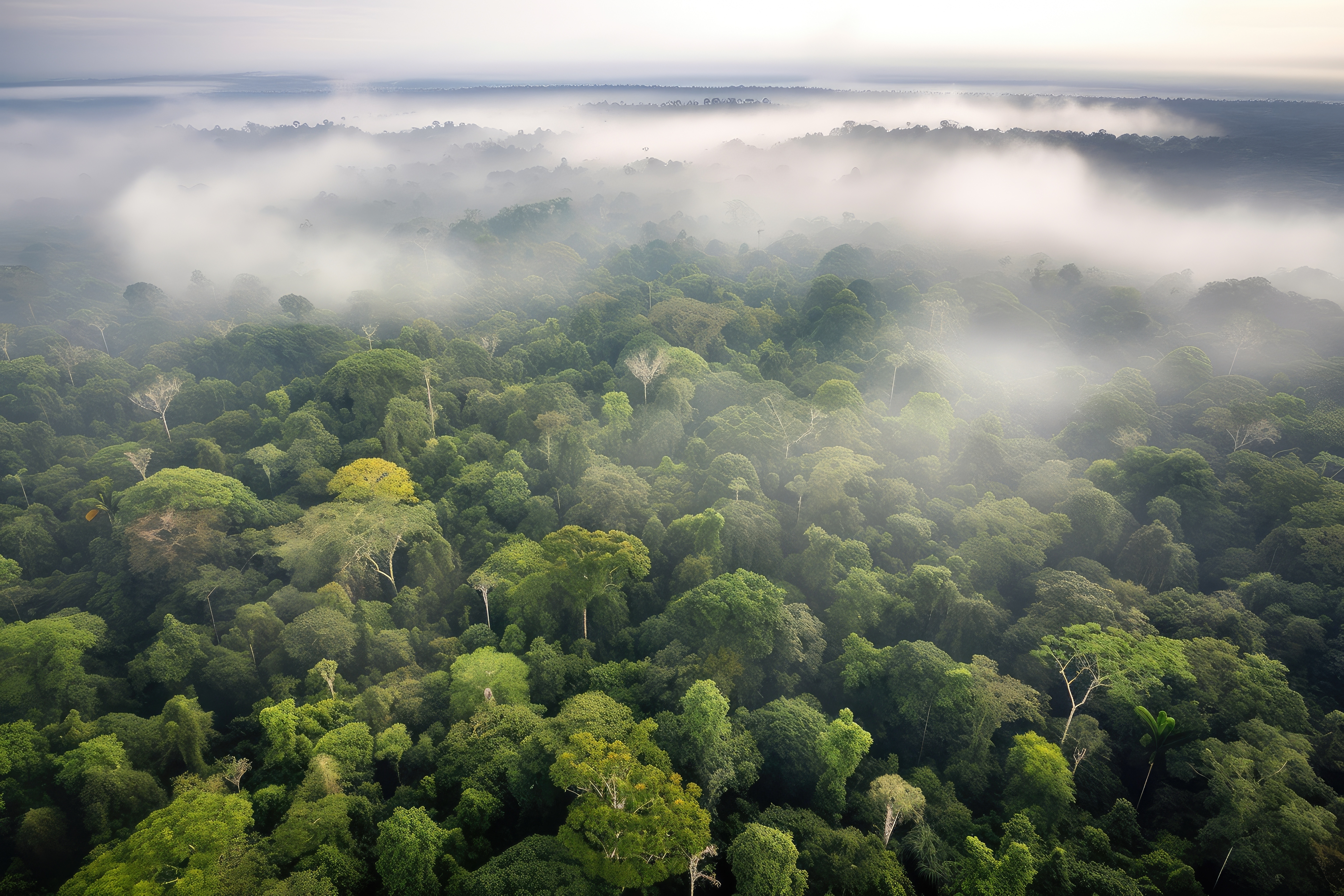

Nature
Collective Ambition
Avoid and reduce the drivers of biodiversity loss, create solutions that restore and regenerate nature, and enable transformative business models, actions and commitments.


Lower Impact Production
Collective Ambition
Increase efficient and fossil-free direct energy use, and reduce freshwater consumption, improve water quality and secure zero discharge of hazardous chemicals in tiers 1-3 to reduce absolute GHG emissions.


Lower Impact Materials
Collective Ambition
Increase the supply and demand of lower impact materials by enabling and incentivising the shift to more responsible sourcing and production practices (T4)
How We Drive Systems Change Through Collaboration
Scroll down to see the different steps.
Industry Mapping with
experts to identify white space
where collective efforts have the
greatest impact.
CEO Input to decide which
white spaces we target and
actions we will develop to
address critical issues.
Collective Intelligence to
provide guidance and tools for
members to build knowledge
and capacity.
Joint Action to pilot
pioneering collective solutions
with our members in key
areas.
OUR journey
2019 - 2020
Rallying industry and setting the bar
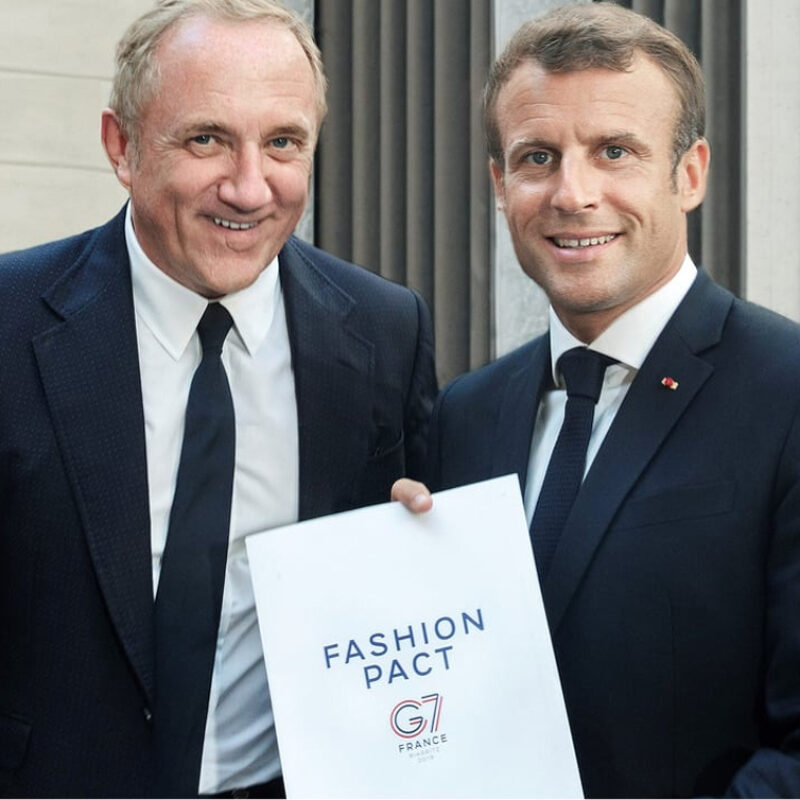
Launched as an initiative by French President Emmanuel Macron, The Fashion Pact began as a call to action to fashion CEOs to rally and build a courageous collective to address the industry’s environmental impacts. The pact was then presented to the Heads of State at the G7 Summit in Biarritz in 2019 and connected to One Planet Summit, a multi-stakeholder platform committed to address environmental issues.
Members commit to individual targets on climate, biodiversity, and oceans in an important first step and, for many, the first structured pathway towards ambitious environmental action.
Industry-wide “Taking Stock” analysis developed, identifying key emissions reductions opportunities for fashion and setting out where The Fashion Pact could have the most impact.



2021 - 2022
Initiating first actions
CVPPA (Collective Virtual Power Purchase Agreement) launches with 12 participating brands – the biggest renewable energy deal of its kind in the fashion industry.
Global Environment Facility (GEF) Biodiversity project, including Transforming the Fashion Sector with Nature project, establishes biodiversity as a strategic priority for members and provides tools, guidance and opportunities for transition.
2023 - 2024
Catalysing collective action
CVPPA project moves to implementation phase.
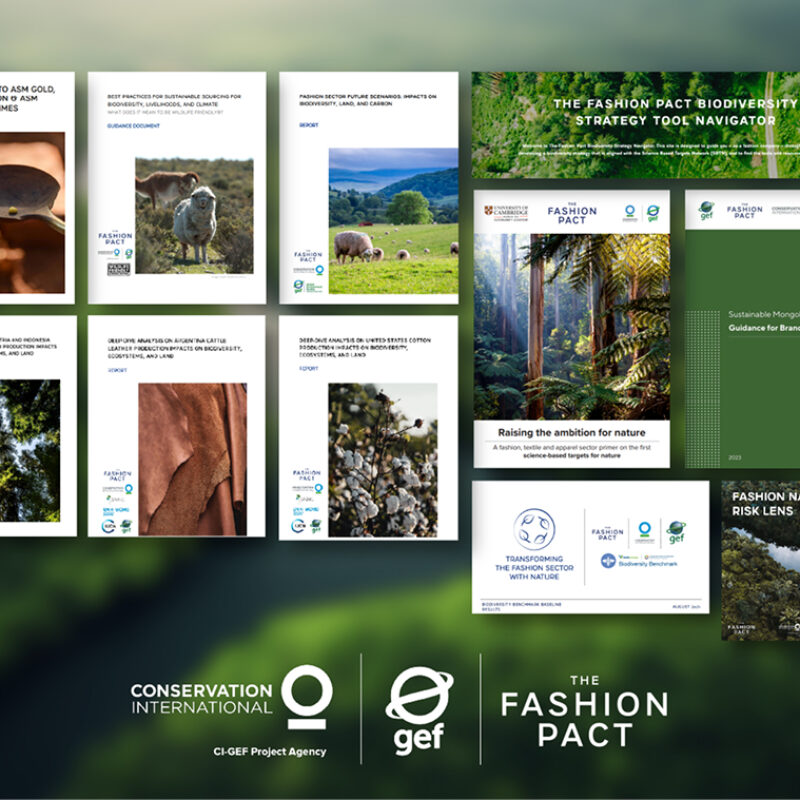
Biodiversity Landscape Analysis, Fashion Sector Future Scenarios analysis released, and Raising the Ambition for Nature primer published. Fashion Nature Risk Lens tool released and Deforestation and Conversion-Free Roadmap workstream with Conservation International launched.
Future Supplier Initiative (FSI), facilitated by TFP in partnership with Apparel Impact Institute, Guidehouse and banking institutions, launches, quickly growing to 7 brands and operating across two geographies (India and Bangladesh).
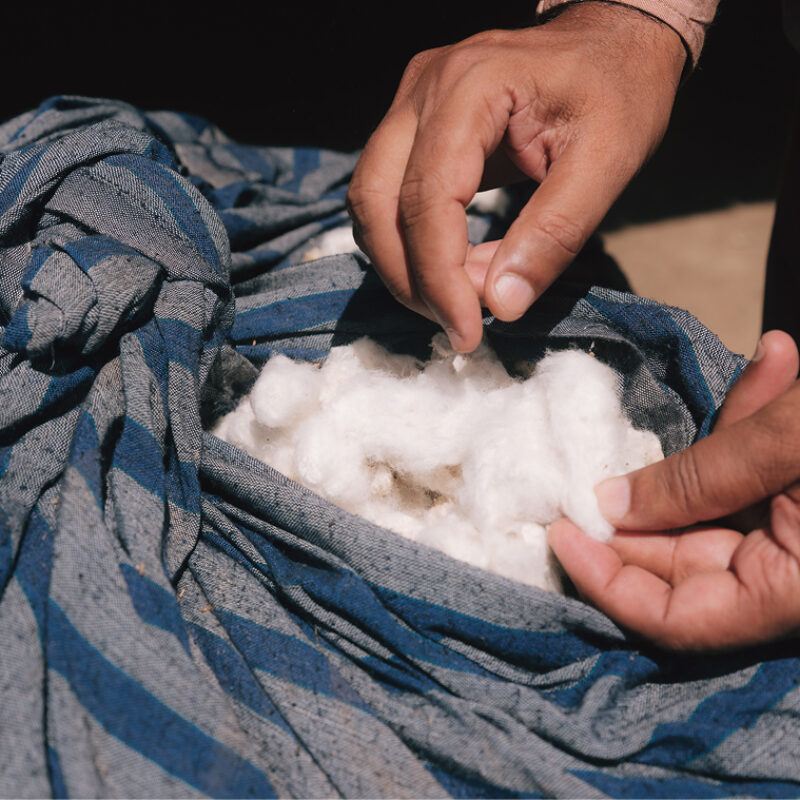
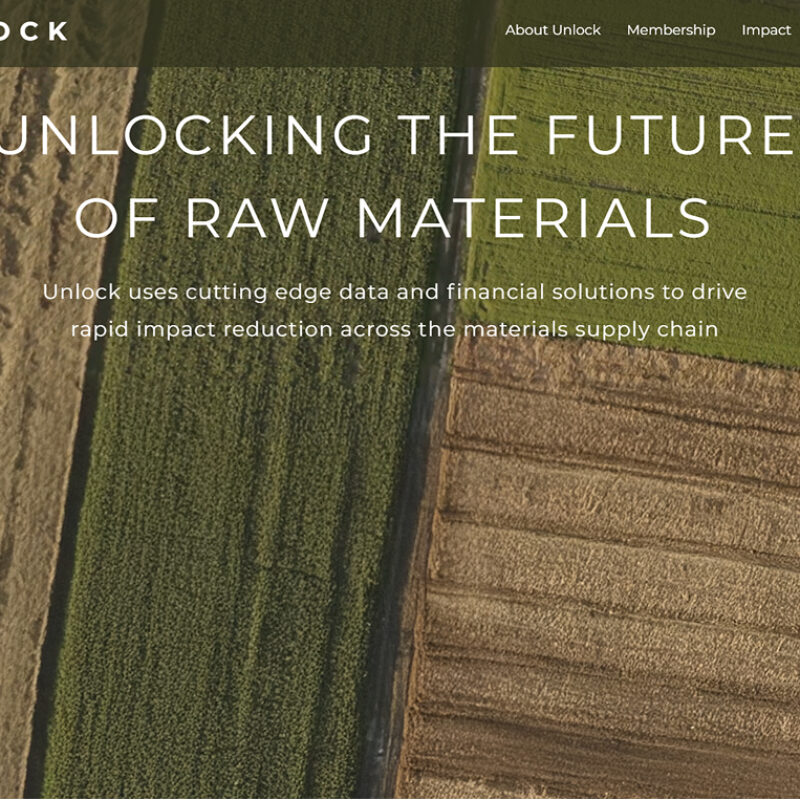
Unlock scales to 10,000 farmers enrolled across India and US. Pilot activities lead to between 200 and 600kg of carbon reductions per hectare in India, and an average of 950kg of removals and 2000kg of reductions per hectare in the US.


2025 - Today
Sharpening focus and scaling impact
The Fashion Pact moves from individual brand-focused targets and aggregate company data to Collective Ambitions and direct reporting on Joint Actions. This is to improve transparency and support accelerated impact across its 4 Action Areas: Biodiversity, Lower Impact Materials, Lower Impact Production, and Renewable Energy.
CVPPA solar asset in development, due to come on stream in 2026. Project set to deliver an additional 160,000 MWh per year of renewable electricity to the European grid over the next ten years.
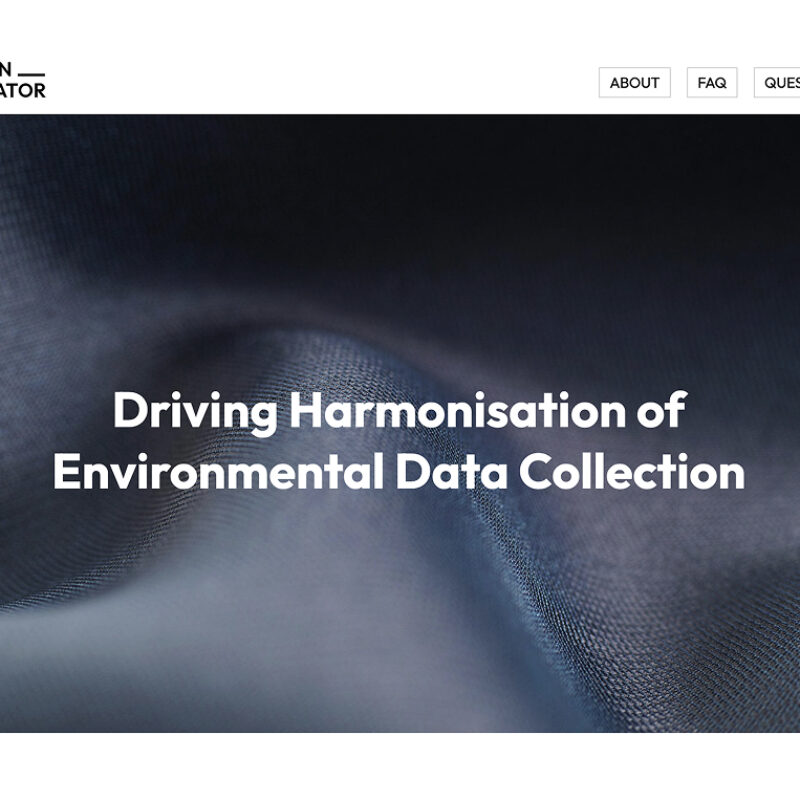
Fashion Pact-led European Accelerator launches environmental supplier questionnaire, aiming at strengthening the quality and consistency of environmental metrics while easing the administrative burden of reporting on suppliers —supporting a more efficient path to climate progress.
10,000 farmers enrolled in the Unlock Programme with plans to scale to 90,000 farmers. Scaling to include financial innovation to maximise investment in farmer impact reduction, including options to de-risk and facilitate private sector investment in farmer technology and practice change, such as drip irrigation and on farm solar.

Measuring our Impact
To improve transparency and provide more meaningful insights as we grow, we are transitioning from relying on third-party, voluntary reporting and aggregated brand-level metrics to direct reporting on metrics that measure the performance and impact of The Fashion Pact’s actions. This includes metrics that set out each initiative’s impact on the ground and demonstrate progress against our Collective Ambitions.
Quantitative measures such as GHG reductions, renewable energy uptake, and capital investment, will be combined with qualitative data that measure the performance of The Fashion Pact in mobilising leadership and creating the trusted environment necessary for collaboration – core elements of our mission. The first reporting cycle based on this improved methodology will conclude in 2026.
Across our Joint Actions, we have continued to make meaningful headway on some of the industry’s most persistent challenges, demonstrating how cross-sector collaboration can deliver solutions beyond the reach of company-led programmes alone.
Access our 2025 Reporting on Targets.
Nature
Transforming the Fashion Sector with Nature
A Global Environment Facility-funded project, co-led in partnership with Conservation International aiming at empowering fashion businesses to rethink their relationship with nature.
By project close,
52% (25)
of TFP companies reported already established biodiversity strategies, exceeding the initial target of 20 companies.
Supporting tools developed, including
Biodiversity Strategy Tool Navigator: Providing fashion industry relevant tools and resources for each step towards strategy development and action
Fashion Sector Future Scenarios: Analyses and StoryMap examining future nature impacts of the fashion sector based
The Fashion Nature Risk Lens: To help fashion brands assess the biodiversity impact of their subsector and material usage)
Circular Economy
The Circular Fibre Initiative
Lower Impact
Production
Future Supplier Initiative
A collective financing mechanism to develop and fund projects that enable brands and suppliers to meet their Science-Based Targets (SBTs), accelerating decarbonisation across fashion supply chains. A project facilitated by The Fashion Pact in partnership with Apparel Impact Institute and Guidehouse.
6
participating brands: Bestseller, Gap Inc., H&M Group, Mango, Ralph Lauren, and Marks & Spencer.Over 50
suppliers engaged
Operating in India and Bangladesh. Exploration to open new geographies: Vietnam, China, Turkey, and Indonesia
Lower Impact
Materials
Unlock
A programme designed to help further unlock current barriers to the decarbonisation of cotton and textile raw material production, whilst supporting farmer livelihoods and environmental co-benefits. A project developed by The Fashion Pact and climate consultancy 2050 and now led by Future Earth Lab.
10,000
cotton farmers enrolled in 2025 programme year, with plans to scale to 90,000 farmers in the coming years
25
participating cross-sector brands including Inditex, J.Crew Group and Ermenegildo Zegna Group
200
and
600kgof carbon reductions per hectare in India, and an average of 950kg of removals and 2,000kg of reductions per hectare in the US
Renewable Energy
Collective Virtual Power Purchase Agreement
Largest renewable energy deal of its kind in the fashion industry delivering a guaranteed market for renewable energy and adding capacity to the European Grid. A project facilitated by The Fashion Pact, developed with Guidehouse and 2050 and with solar developer Lightsource bp.
Additional
160,000MWh per year of renewable electricity added to the European grid over the next ten years
12
participating brands: Bally, Capri Holdings, Ermenegildo Zegna Group, FARFETCH, Ferragamo, Kering, Prada Group, PVH Corp., Ralph Lauren, Tapestry, Under Armour and Zimmermann
Solar asset due to come
on stream in2026
Tools & resources
We share our findings and learnings as open-source resources that support the industry in its journey towards transformation.
Click on any of the links below to find out more.